


Long before Silicon Valley executives started taking ketamine together at leadership retreats, the Bay Area already had another laboratory for altered experience.
A temporary city in the desert.
Burning Man is usually described through its most visible features: art, fire, costumes, music, drugs, rich people behaving strangely in the Nevada dust.
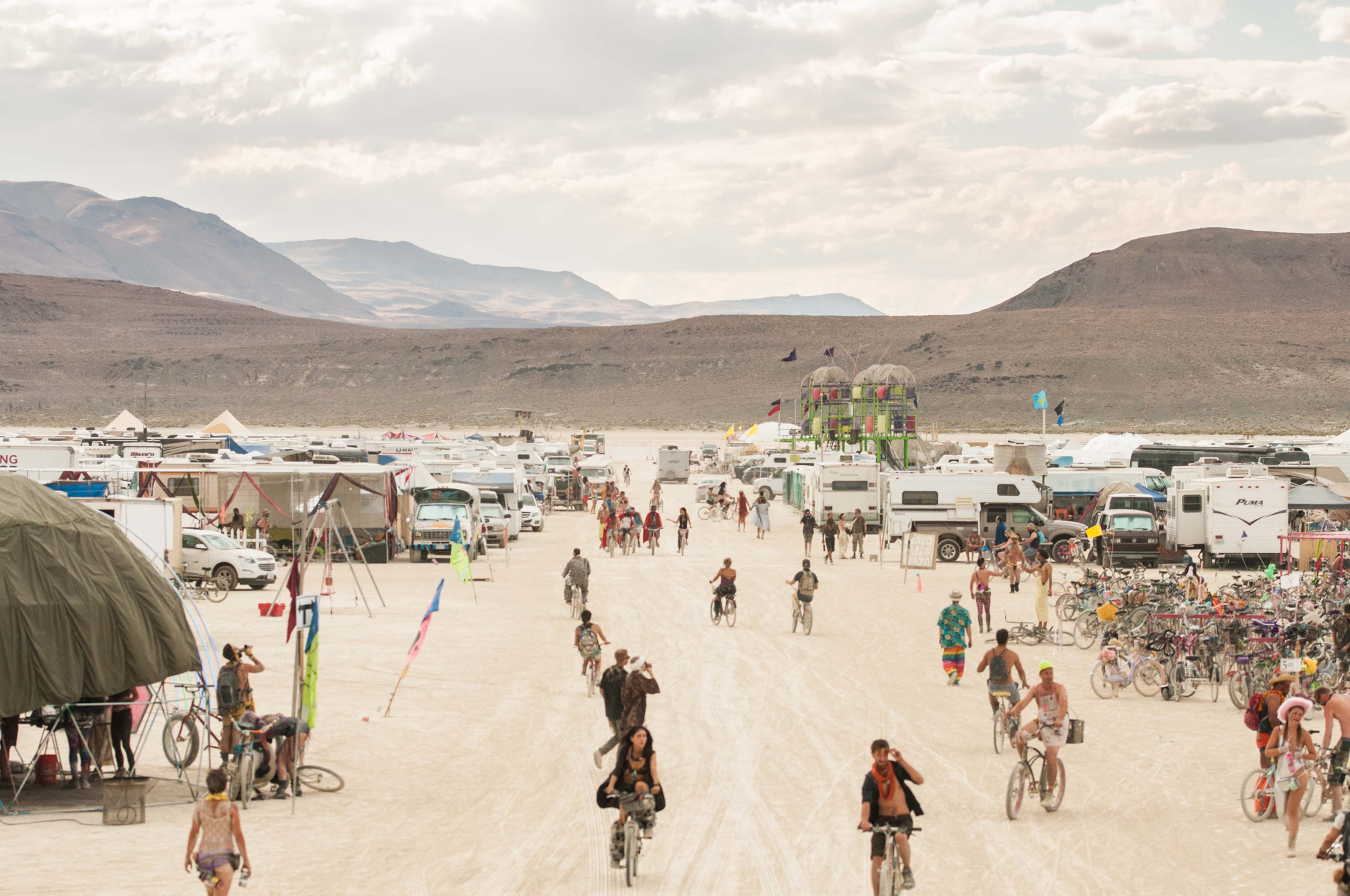
I think the drugs are beside the point. What interests me is what happens before anyone takes anything.
You leave your house, your office, your schedule, your normal clothes, familiar social codes, often your sleep cycle, sometimes even your name. You enter a physically hostile landscape and rebuild almost everything: shelter, community, symbols, status, rituals, relationships.
For a few days, another reality becomes possible because another environment has been constructed.
That suggests a different way of looking at Silicon Valley's long fascination with altered states.
Perhaps the substance is only one part of the intervention.
Perhaps the environment is the drug.
In today's brief I am going to ask:
What happens when you deliberately change the conditions surrounding a person? Can you change their mood, identity and even their perception of what is possible?
And why has this question repeatedly attracted people whose professional lives are already built around engineering the world outside themselves?
That is where this second part of The Observer Problem begins.
In Part I, I looked at why esoteric language is re-entering the security field through the vocabulary of neuroscience, cognitive security and warfare.
This is happening at the same time the sacred is returning and the attention economy is rewarding this type of exotic terminology.
Part II moves from the language to the experience: what happens when we deliberately engineer the state of the observer?