


That's a question I got relatively often from clients.
And it is rational.
The world feels less stable than it did, mobility is no longer something anyone can take for granted, and jurisdictions are tightening on every side. So a market that used to be niche is suddenly everywhere - citizenship by investment, fast-track naturalization, "global mobility packages."
A nationality, packaged and sold like a financial product.
I've spent part of my life around this territory, though I came in through a different door. In HUMINT, real/fake passports, forged documents, alias identities, layered covers... this is familiar ground.
We were operating around these systems long before they became a product for wealthy civilians.
And that vantage point strips away the illusion very fast. A second passport is not what the market sells you.
It isn't freedom, it isn't protection, and it isn't an asset you control.
It's a piece of paper that gives you a permission.
It says "you're allowed to be here, under conditions we define". Nothing more. The issuer can restrict or re-price the moment its politics shift.
What follows is a field guide through one of the world's most fascinating markets. We'll examine real jurisdictions, surprising case studies and the incentives that drive both governments and buyers. By the end, I hope you'll never look at a buying a passport the same way again.
Buying a passport today feels trivial, like ordering something online...
A fixed price - or what you take to be a fixed price - a bit of administrative processing, a delivery timeline.
Then it arrives at your door, in a nice box, like an expensive perfume.
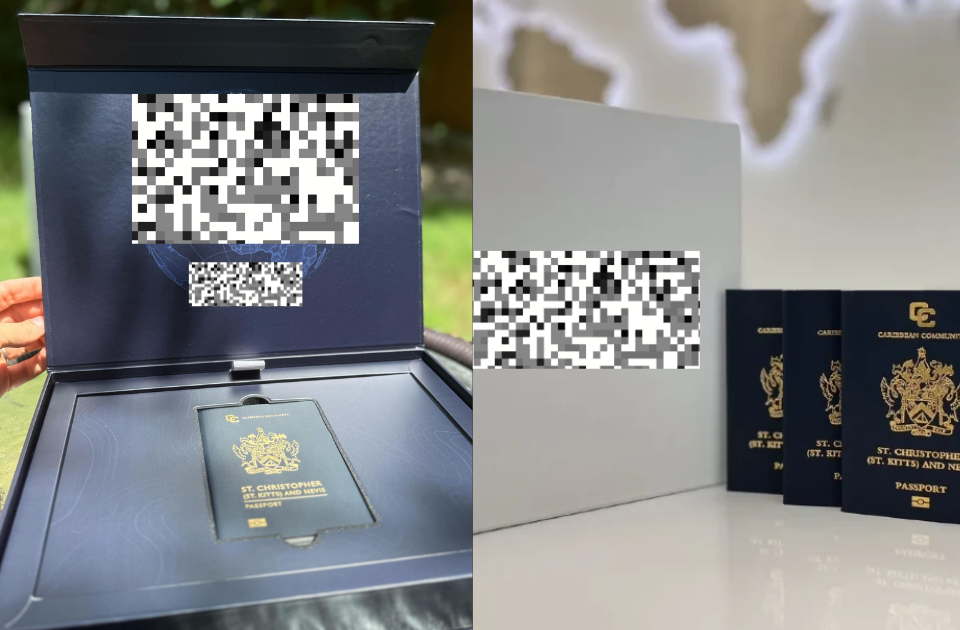
That simplicity is misleading.
You are entering a politico-economic transaction, in which a state monetizes part of its own sovereignty in exchange for fast external capital.
And the transaction is not symmetrical. You show up with liquid cash; they hand you a legal status that exists entirely inside their system.
Which means THEY, not you, control the conditions under which it stays usable.
States monetize part of their sovereignty because they need capital. They know that wealth and talent are increasingly mobile, so they compete to attract them through legal products. Meanwhile, the buyers are optimizing exposure (to tax, mobility restrictions and political risk). A passport is simply where those incentives meet.
The buyers aren't "the wealthy" in any generic sense.
The typology is much narrower.